Skip to content
E-Journal SD
E-Journal SD
  • Home
  • About Us
  • Contact
E-Journal SD
  • Home
  • About Us
  • Contact
  • Woocommerce Not Installed.

Yearly Archives: 2025

Home 2025
Technology

How to Install Moviebox on PC

If you’ve been searching for a way to run Moviebox for PC, you’re not alone. The Moviebox app, popular for its extensive media library, cannot be directly installed on a Windows or Mac computer. To get moviebox for pc and run it on your PC, you’ll need an Android emulator. MemuPlay is the emulator of choice for this purpose, allowing users to access Android apps on a desktop environment. This guide will show you how to get Moviebox up and running with ease, and also explain a little bit about the technology that makes it all possible.

Tech Behind Moviebox and Memuplay

Moviebox is not just another streaming app; it operates by gathering content from various sources, making it easy for users to access films, TV shows, and other entertainment media on demand. However, Moviebox is not an official service, which means it doesn’t have direct ties to platforms like Netflix or Hulu. It relies on servers and an expansive library to pull content. While this has made it popular, it also means that installing Moviebox on a PC involves running the app in a controlled environment, like MemuPlay, to bypass device compatibility issues. MemuPlay’s technology ensures a smooth experience for users by simulating Android features on a larger screen. MemuPlay’s design is straightforward, optimized for gaming and media apps, offering enhanced performance and graphics. It’s a well-suited tool for running high-quality streaming apps like Moviebox. Plus, with its customization options, users can tweak the settings to improve performance or match their preferences.

Tips for a Better Experience

While using MemuPlay to run Moviebox on your PC, there are some tips to improve the experience. If you encounter any lag or poor video quality, check the settings within MemuPlay. You can adjust the resolution, increase CPU cores, or enable high-performance mode to optimize the app’s performance. If you’re using Moviebox regularly, you may also want to tweak some of the emulator’s settings to reduce resource usage. This can help with multitasking or running other applications alongside Moviebox without slowdowns. Remember, emulators rely on your PC’s hardware, so using a PC with decent specs will give you the best streaming experience.

Steps to Install Moviebox on Your PC

Now that you understand the tech side, here’s a simple guide to get you started. First, download MemuPlay from its official website. Once installed, launch the emulator, which will present you with a mobile-like interface. From here, you’ll want to access the Google Play Store, just like you would on an Android device. The next step is searching for Moviebox or another APK file of Moviebox if it’s not available on the Play Store. Download and install the app directly inside the MemuPlay environment. After that, you can launch Moviebox as if you were using it on an actual Android phone. The process is quick and easy, and it opens up a whole new way to enjoy your favorite movies and shows on a bigger screen.

In conclusion, running Moviebox on your PC requires more than just downloading the app. By using an Android emulator like MemuPlay, you can bypass compatibility issues and enjoy the full Moviebox experience on a bigger screen. While the app isn’t officially designed for PC use, technology like MemuPlay makes it all possible with just a few steps. So, grab your favorite movie snacks, fire up the emulator, and start watching your favorite shows in a more immersive way.…

Talo Martin 12/19/2025 install, moviebox, tech
cctv
Technology

The Role of AI in Next-Generation CCTV Systems

CCTV systems have long been a staple of security, helping businesses and homeowners monitor their premises. However, traditional surveillance often relies on human monitoring, which can be inefficient and prone to error. Artificial Intelligence (AI) is transforming the way CCTV systems operate. By integrating AI, modern surveillance becomes smarter, more responsive, and capable of handling complex scenarios. This technology is shaping the future of security, offering unique capabilities that go beyond simple recording.

Object Recognition

AI-powered CCTV systems excel in object recognition. Unlike traditional cameras, they can identify and classify people, vehicles, and even unusual objects. This technology allows security personnel to focus on real threats instead of sifting through hours of footage. Advanced algorithms ensure high accuracy, reducing false alarms. The ability to differentiate between harmless and suspicious activity is a game-changer in security monitoring.

Real-Time Threat Detection
Real-Time Threat Detection

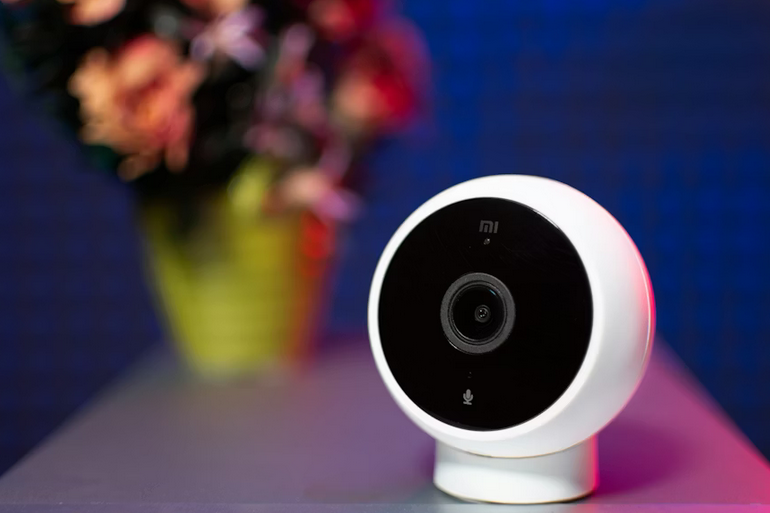
One of the most significant benefits of AI in CCTV is real-time threat detection. AI systems analyze video feeds instantly, identifying unusual patterns or behaviors. Suspicious movements, trespassing, or abandoned objects trigger immediate alerts. This rapid response can prevent incidents before they escalate. In high-security environments, real-time monitoring is invaluable, enhancing both safety and operational efficiency.

Facial Recognition Technology

Facial recognition is a unique application of AI in surveillance. Modern CCTV systems can identify individuals in real-time or match them against databases. This technology is useful for access control, identifying wanted persons, and monitoring restricted areas. While privacy concerns exist, proper protocols and secure data handling can mitigate risks. Facial recognition offers unprecedented accuracy and speed in identifying individuals within crowded or complex environments.

Predictive Analytics

AI can analyze historical data to predict potential security threats. Predictive analytics examines patterns, such as frequent unauthorized entries or unusual traffic flow, to anticipate problems. This capability allows organizations to proactively enhance security measures. By identifying trends before incidents occur, AI ensures that preventive strategies are implemented effectively. Predictive intelligence is a step beyond reactive surveillance, making security smarter and more efficient.

Integration With IoT Devices

Next-generation CCTV systems often integrate with the Internet of Things (IoT). AI-enabled cameras can communicate with alarms, sensors, and access controls to create a cohesive security network. This integration enhances situational awareness and response coordination. For example, a camera detecting an intruder can trigger lights, alarms, and door locks automatically. Combining AI and IoT ensures comprehensive coverage and faster incident management.

Data Management and Storage

application

AI also transforms how CCTV footage is stored and managed. Intelligent systems can prioritize and tag important events, making retrieval faster and more efficient. Large volumes of video data are organized automatically, reducing storage costs and saving time during investigations. This structured approach ensures that critical information is accessible immediately when needed. Efficient data management is crucial for modern surveillance operations.

Human Error Reduction

Traditional surveillance depends heavily on human operators, who can overlook critical events due to fatigue or distraction. AI systems reduce reliance on human monitoring by continuously analyzing video feeds with precision. While human judgment remains important, AI ensures that potential threats are flagged reliably. Reducing human error increases overall security effectiveness and allows personnel to focus on decision-making rather than constant observation.

The Future of AI in CCTV

The role of AI in CCTV systems will continue to expand. Emerging technologies, such as edge computing, 3D mapping, and advanced behavioral analysis, promise even smarter surveillance. AI will enable autonomous decision-making, predictive threat assessment, and enhanced integration with other security measures. As AI evolves, CCTV systems will not just monitor, they will anticipate, respond, and adapt to security challenges in real time. The future of surveillance is intelligent, proactive, and deeply interconnected.

AI is redefining CCTV systems, making them more accurate, responsive, and capable than ever before. Enhanced object recognition, real-time threat detection, facial recognition, predictive analytics, IoT integration, reduced human error, and efficient data management all contribute to next-generation security. Organizations and homeowners adopting AI-powered surveillance gain not only …


James Glenn 11/26/2025 AI, CCTV, tech
share
Technology

Battery Drain Solutions: How to Use Heavy Apps Without Killing Your Phone

We’ve all been there: you’re deep into a heavy app—like a graphic-intensive game or a video editing tool—when suddenly, your phone starts to feel warm. Before you know it, that dreaded low battery warning pops up. Your excitement dwindles as the screen dims and your favorite features become inaccessible. But what if we told you there are ways to enjoy those demanding apps without sacrificing battery life? You don’t need to give up on using powerful applications; instead, learn how to optimize your device to keep up with your digital lifestyle. Let’s explore some practical solutions that will let you play hard while keeping your phone alive longer!

Optimize Background Processes

Background processes can be silent battery drainers. These are apps that continue to run even when you’re not actively using them. Start by checking your phone’s settings. Most devices allow you to see what apps run in the background and how much battery they consume. Identify any culprits that might be hogging resources. Disable unnecessary background activity for those heavy apps, especially if you only use them occasionally. This simple step can extend your battery life significantly.

Consider closing out of applications entirely instead of just minimizing them. A quick swipe away from the multitasking view can save precious power. Updating software ensures that bug fixes and optimizations help manage those rogue processes more efficiently, allowing your phone to perform better while consuming less energy.

Adjust Screen Settings

Screen brightness plays a significant role in battery consumption. Lowering your brightness can save a considerable amount of power. Most smartphones offer an automatic adjustment feature that adapts the brightness based on ambient light. This is worth enabling for convenience and efficiency. Dark mode is another handy option. Not only does it look sleek, but it also saves energy, especially on OLED screens where black pixels consume less power.

Additionally, consider your screen timeout settings. Reducing the time it takes for your display to turn off when inactive can prevent unnecessary battery drain when you forget to lock your phone. Avoid using live wallpapers or excessive animations. These eye-catching features may be fun but often lead to quicker battery depletion than static images or simple backgrounds. Minor tweaks here can make a noticeable difference over time.

Use Power-Saving Modes

Power-saving modes are a game changer for heavy app users. They help extend your battery life without sacrificing too much functionality. Most smartphones come with built-in power-saving options. Activating these can limit background processes and slightly reduce performance, but it’s usually worth it when running resource-heavy applications.

Features like reduced screen brightness and lowered CPU speed kick in automatically when enabled. This helps conserve energy while you stream videos or engage in intensive gaming sessions. You might also find advanced settings that allow you to customize what gets limited or turned off entirely. Tailoring these settings can significantly affect how long your phone lasts throughout the day.

Manage Connectivity Features

Manage Connectivity Features

Managing connectivity features is crucial to extend your phone’s battery life. Wi-Fi, Bluetooth, and mobile data can drain power quickly if left on continuously. Turn off Wi-Fi when you’re out of range or in areas with poor connectivity. The device uses more energy trying to connect repeatedly. Bluetooth should be switched off unless needed for a device like headphones or speakers. Keeping it active without use can lead to unnecessary battery consumption.

Mobile data also significantly drains your phone’s battery. Consider using airplane mode if you’re not expecting any urgent notifications or calls. By toggling these settings based on your needs, yeavy app usage bwill becomemore manageable without compromising your phone’s longevity throughout the day.

Keep Your Phone Cool

Keeping your phone cool is crucial, especially when using heavy apps. High temperatures can drain the battery faster and even lead to performance issues. Avoid exposing your device to direct sunlight for extended periods. A hot car dashboard or a sun-soaked beach …

James Glenn 02/27/2025 apps, battery, tech

microsoft

Pages
  • About Us
  • Buying a television
  • Contact
  • Privacy
  • Terms Of Use
  • How to Install Moviebox on PC
  • cctvThe Role of AI in Next-Generation CCTV Systems
  • shareBattery Drain Solutions: How to Use Heavy Apps Without Killing Your Phone
  • manBasic Features to Look for in a Music Rights Management App
  • biometricsSurprising Advantages of Facial Recognition CCTV Systems for Public Security

ghanatalksbusiness

Follow Us
  • facebook

samsung

Copyright © 2026 E-Journal SD – Shoppy theme by Britetechs